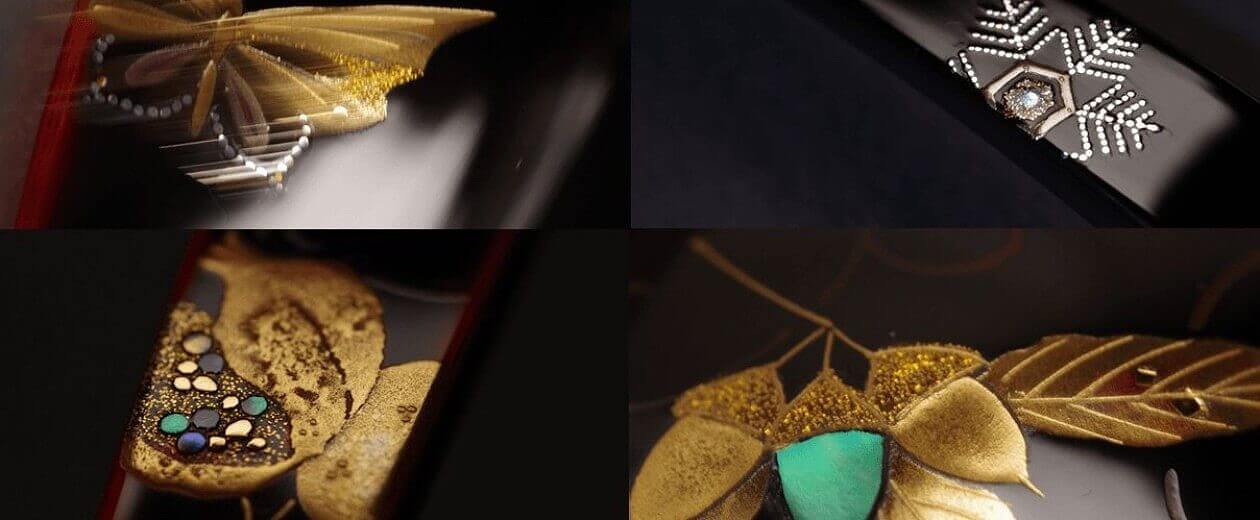
Hakose Koubou in Wajima    - 箱瀬工房 - 

Junichi Hakose is one of the most active and famous urushi lacquer work artist in the fine jewelry industry. He has done many works with Van Cleef & Arpels from 2004 and continuing since, and with  Chanel in 2015. His urushi lacquer works has been expressed in the jewelry lines or the watches for those jewelers for many years.  We as a fan of Master Hakose, we are happy that his superb works are welcomed and admired by the people all over the world.
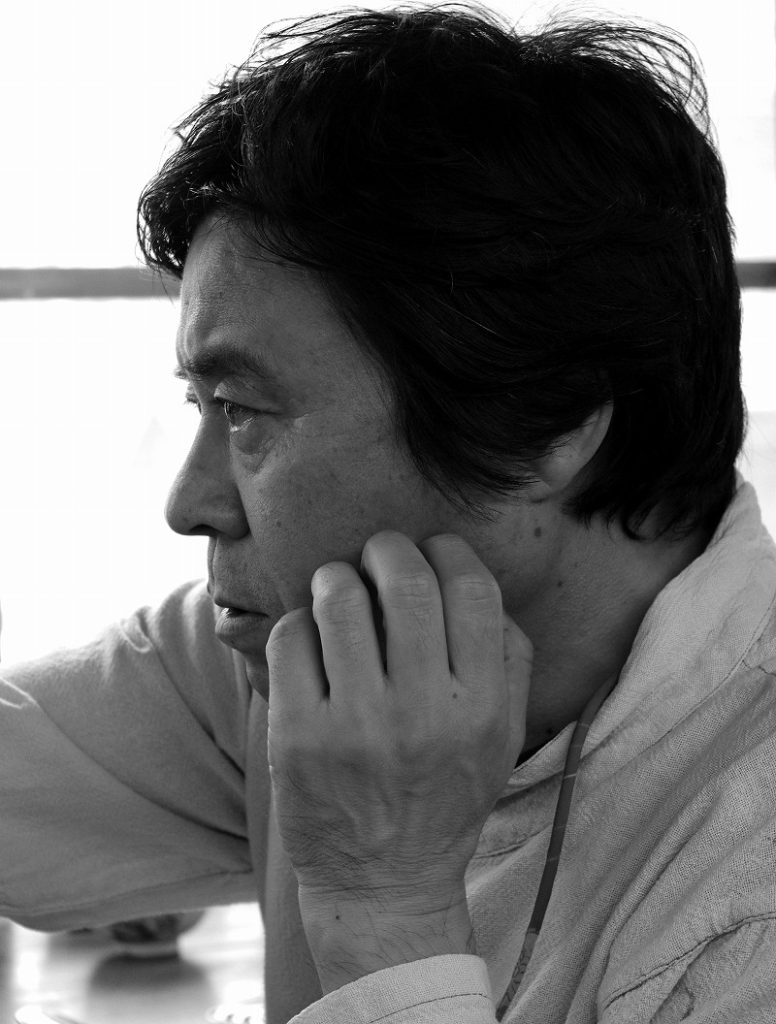
Master Junichi Hakose (箱瀬淳一) Photo copyright: Kogei Styling. Japanese lacquer artist from Wajima Japan.
Master Junichi Hakose (箱瀬淳一) Photo copyright: Kogei Styling


One example of his works with Van Cleef & Arpels could be seen in the collections of Cooper Hewitt, Smithsonian Design Museum in New York. You will be able to see the detailed works of Master Hakose’s maki-e works that are fine like a jewelry!

(No, sorry it’s a jewelry here.)
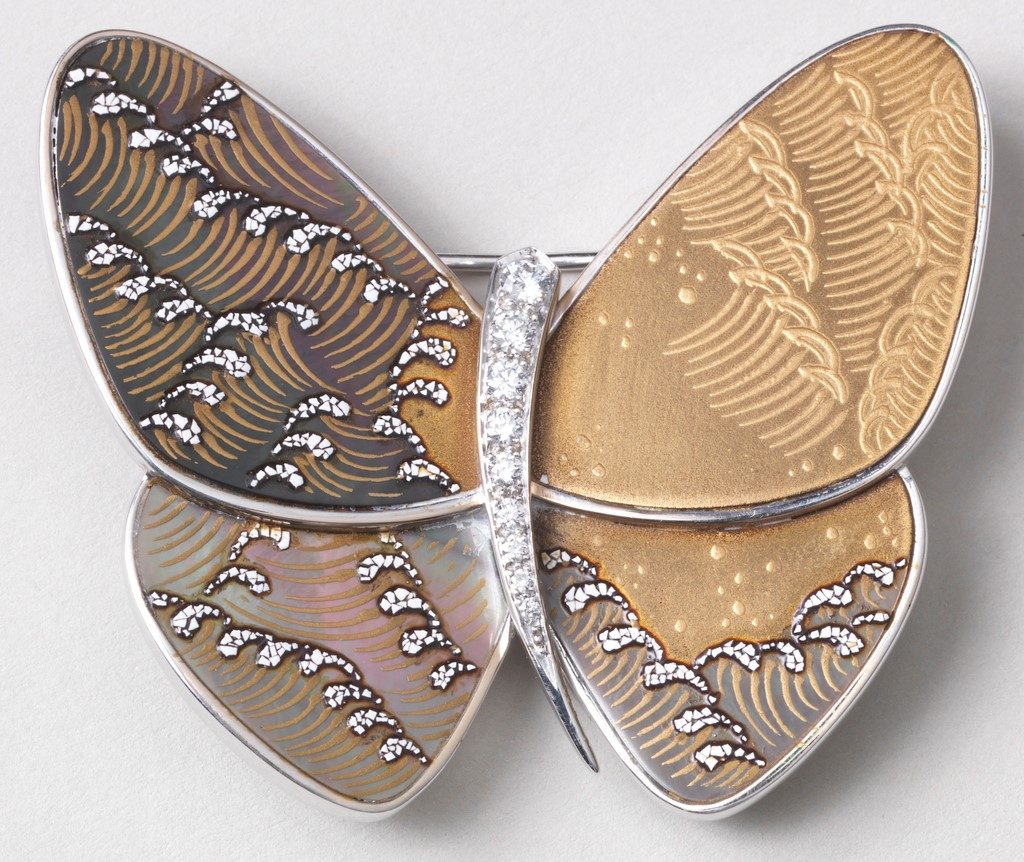
Araiso U Brooch, 2007. Designed and Made by Van Cleef & Arpels and Junichi Hakose (Lacquer), Paris, France and Japan. Gift of Van Cleef and Arpels. 2011-42-1. by Cooper Hewitt Museum,箱瀬淳一 ヴァンクリーフ&アーペル ブローチ
Araiso U Brooch, 2007. Designed and Made by Van Cleef & Arpels and Junichi Hakose Source: http://www.cooperhewitt.org/2013/04/28/butterflies-are-free-to-let-ones-spirits-fly/


We had been honored to do business with this extraordinary artist;  extremely humble and down to earth person, for several years since our start. So we had been lucky enough that we had many chances to visit his Studio / Work shop called Hakose Koubou in Wajima, the place where he was born and raised.
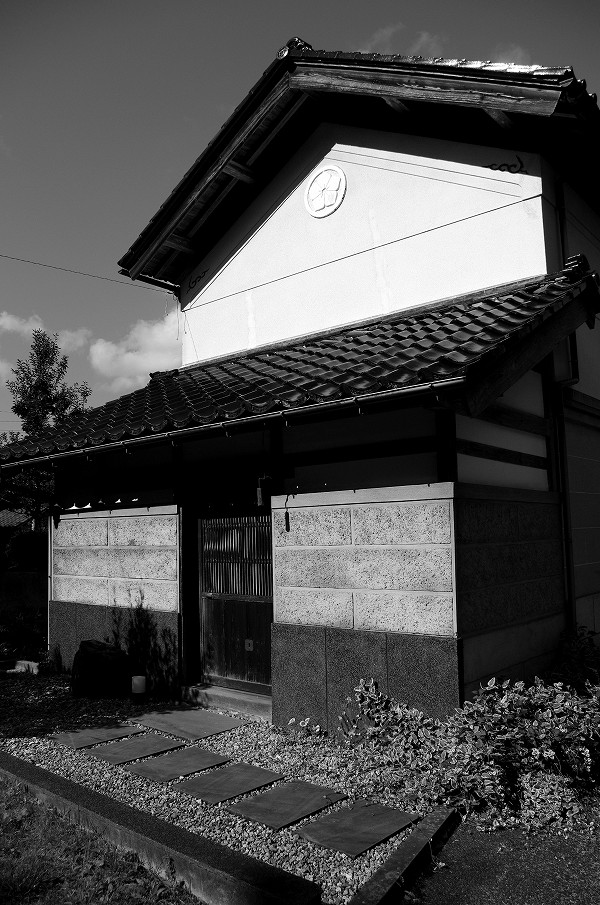
Hakose Kubuo (箱瀬工房) Old Kura (storage house) is suited place to do the fine urushi coatings. 箱瀬工房は,箱瀬淳一の漆芸が生み出される場所です。この蔵の2階が埃を嫌う上塗りに使われます。
Hakose Kubuo (箱瀬工房) Old Kura (storage house) is suited place to do the fine urushi coatings.

He uses his kura (storage house)  from his family, to create his works. Since this kura (蔵) is one of the most suited place to do the urushi  coating in Japan. Kura’s original purpose is to preserve and protect important fine items of your family. It is made with stones and stucco to withstand the natural condition and fire. Therefore the inside has relatively stable temperature and humidity condition in all seasons also shutting the dust out.  Wisdom from the history!
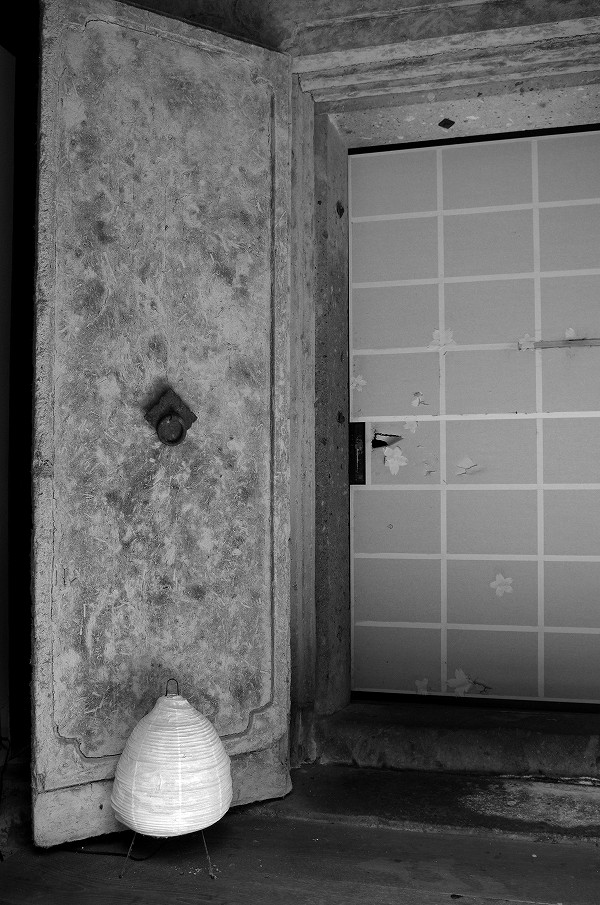
Entrance of kura (蔵); Hakose Koubou (箱瀬工房). Junichi Hakose his lacquer works in this Kura. 箱瀬淳一漆芸の生み出される工房です。
Entrance of kura (蔵); Hakose Koubou (箱瀬工房)
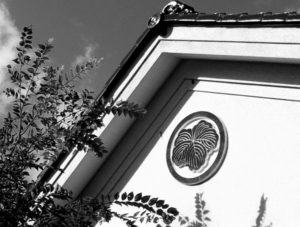
Another of his Kuras(蔵) with his family symbol(家紋). Hakose Koubou (箱瀬工房). Family symbol of Junichi Hakose on his family storage house.
Another of his Kuras(蔵) with his family symbol(家紋). Hakose Koubou (箱瀬工房)

We hope that you would have some feeling of his background of creations though a glimpse of his history and the tradition with the nature of Wajima.


Where the true beauties are created.
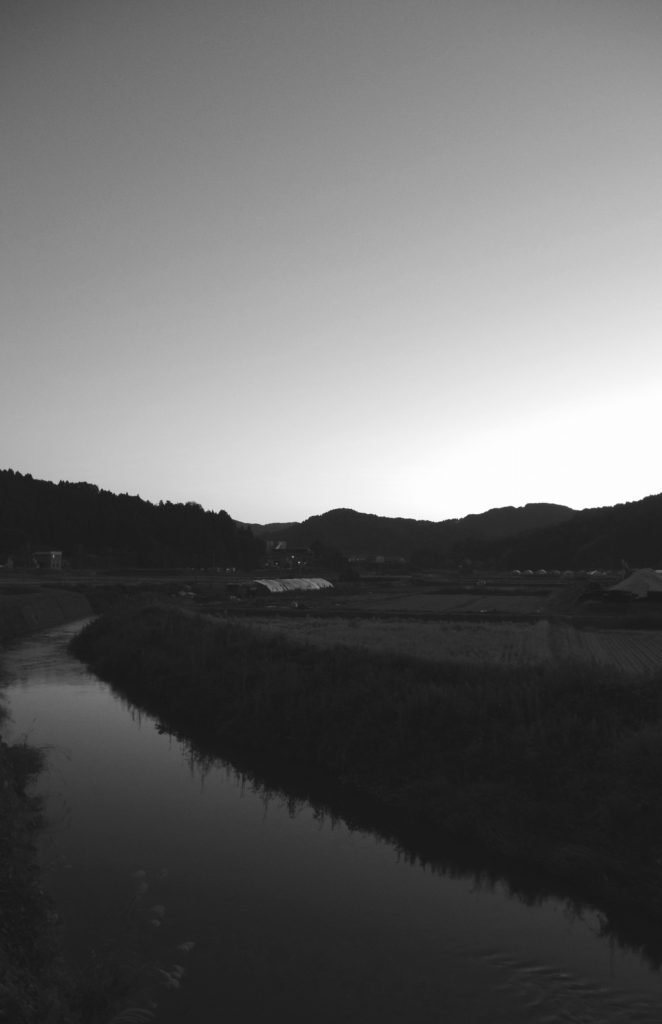
Beautiful scenery of Wajima (輪島). Fugeshi River (鳳至川) runs just in front of Hakose Koubou.


Preserving Japanese Urushi Lacquer      (日本産漆の保存)        Ichikiro no Kai (壱木呂の会)


Japanese traditional lacquerware is made by applying natural urushi lacquer many times and in many ways over wood or other natural materials.

The use of urushi lacquer history in Japan dates back for more than 9000 years and it is the oldest use in the world.  Therefore, you see that it is deeply rooted in our heart by nature.

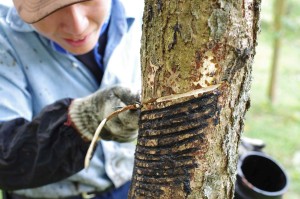
Urushi lacquer collection by a collector. At Daigo Ibaragi-pref. Japan.壱木呂の会の奥久慈での漆の採取。
Urushi lacquer collection by a collector. First cutting a groove to extract urushi sap.  At Okukuji(奥久慈) Ibaragi-pref. Japan
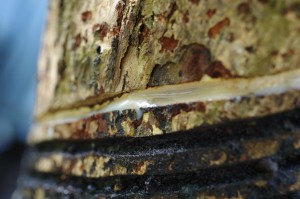
fresh urushi sap lacquer coming out from Japanese urushi tree. 日本の漆の木からの漆が流れ出てくる様子。
Fresh clear urushi sap oozing out from the urushi tree. It will become the urushi lacquer.     At Okukuji(奥久慈) Ibaragi-pref. Japan

Urushi lacquer is the most important material not only to make the traditional lacquerware but even temples and shrines. It is the most durable and hard organic coating material available from the nature that exceeds many artificial coating materials from many aspects of properties.

Urushi lacquer is a natural sap of urushi tree , which can be extracted only for about 150 cc to 200 cc in total from one tree in its life time of 10 to 20 years.

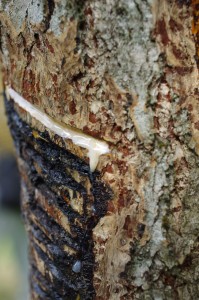
Fresh urushi sap lacquer coming out from Japanese urushi tree. 日本の漆の木からの漆が流れ出てくる様子。
Urushi sap already turned in to milky white color.
At Okukuji(奥久慈 ) Ibatragi-pref. Japan


When the tree is fresh cut the urushi sap is clear, and soon it will turn into milky white color by its oxidization.

As mentioned, the natural urushi lacquer has been collected in Japan for thousands of years. However the demand for the urushi lacquer has been exceeding the supply in Japan for more than 200 years. Therefore we had been importing the same natural urushi lacquer from China for over 200 years. Currently the supply volume of the Japanese urushi lacquer in Japan is about 2% of the market. 98% is  from China.

Japanese urushi lacquer is said to have harder properties and the shinner gloss compared to Chinese urushi lacquer. However the price of the Japanese urushi lacquer is ten times the price of Chinese ones.  So in Japan, even the good urushi lacquer products have Japanese urushi lacquer used mostly only on the top coatings, to have better cosmetics and durability, among many layers of urushi coatings applied to make one lacquerware.

Ichikiro-no-Kai (壱木呂の会) is an NPO that have a mission to help preserve the supply of Japanese urushi lacquer.

The preservation is need not only to the trees itself, but the whole supply system of the Japanese urushi lacquer. The most difficult part is the collector, that need many years of practice to become a good collector. How to extract good urushi sap depends not only when the groove is cut, but from the time how he treats the urushi tree to grow,like trimming branches or smoothing barks or weeding of

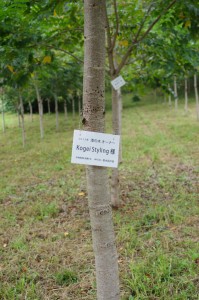
Urushi tree of Kogei Styling. Urushi tree named after Kogei Styling from the contribution to Ichikiro-no-Kai. 日本工芸スタイリングの漆の木。
Urushi tree named after Kogei Styling from the contribution to Ichikiro-no-Kai.

the area to give more sunshine. Even the collecting tools are also in danger that the craftsmen to make the tool is already very old and rare that they can not make any more.

The picture on the right shows the urushi tree farm made by Ichikiro-no-Kai. The trees are maintained by the donation to the NPO.

Kogei Stying hopes to increase the contribution to the Ichikiro-no-Kai with the support from our customers.