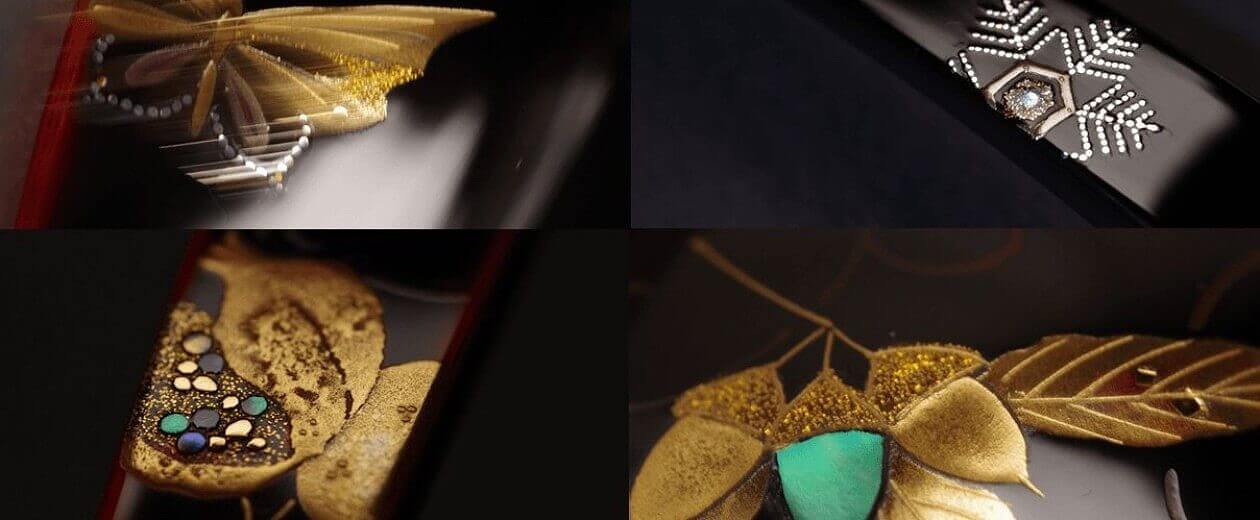
It was the midnight;1:25 AM of April 16 2016, one of the worst earthquakes in the Japanese history hit Kumamoto city in the Kyushu Island, where my father & mother-in-law lives. (main earthquake magnitude M7.3, earthquake source was 10 km directly below the city)
And It was their 2nd time, only after 28 hours from the very first historically huge earthquake(M6.5) for Kumamoto city that hit on 9:26 PM, April 14, 2017 that changed Kumamoto forever.
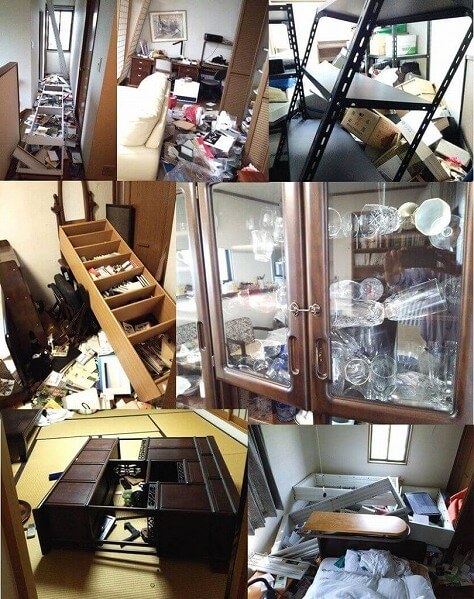
My father recalls that the second hit was much more intense than the first. Expressing the experience as you are inside the tumbling washing machine. All the furniture and items in the room were upside down and mixed completely. Luckily large bookshelf missed my father’ head by several cm.
Even with that situation, thanks to my father’s light steel framed three storied house, his house itself survived the quakes.

Relatively old type houses nearby were smashed and destroyed. (luckily no people died in the area).
On April 16, I was at least relieved to hear that my father & mother survived the second quake, but was very worried about what they went through, imaging huge exhaustion and big fears after their constructive effort of recovery from the first quake that totally ended in vain, and experiencing unimaginable 2nd one.
On April 17, I left Tokyo for Kumamoto city, which is about 1200 ㎞ far, in my car with many items loaded to help my old father & mother.
I do not go into the details what I had seen and experienced in Kumamoto, but one symbolic destruction that that I would like to share here is a heavily cracked and destroyed Wajima lacquerware o-wan by Wajimaya Zen-ni. It was a present to my mother couple of years back. The o-wan was smashed along with other porcelains dishes that broke into pieces. Mother told me and she added that she was very sorry for the result.
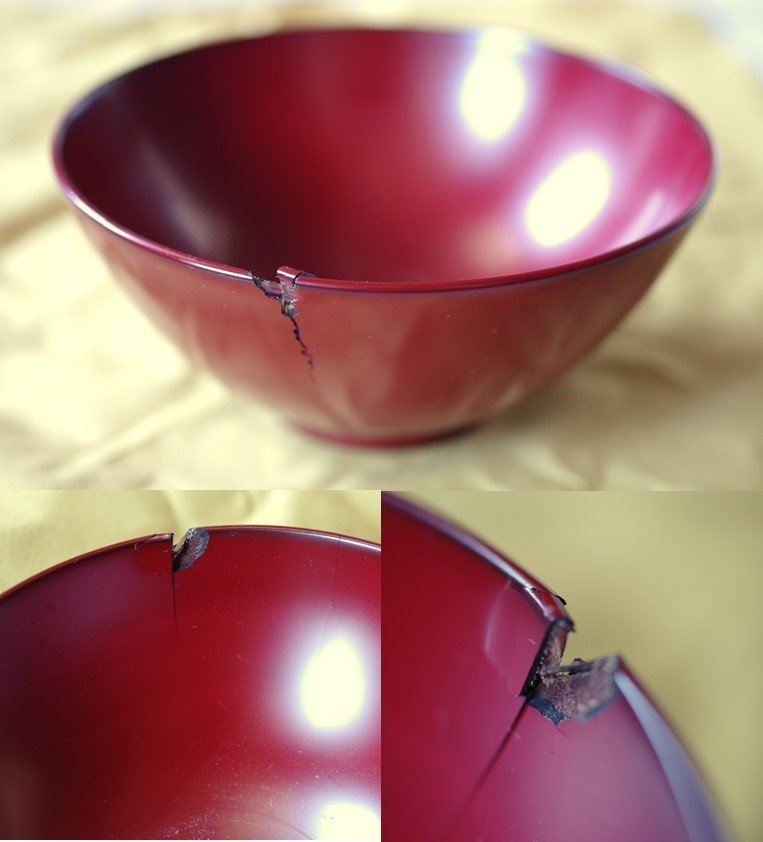
With this destroyed o-wan, I told my my mother that it may not be possible with so many cracks, but I will send to Wajima if it could be repaired and you do not feel sorry for it.
After 7 months of effort by craftsmen of Wajimaya Zen-ni, as you see in below the o-wan is completely repaired as if it were new and you do not see any traces from the destruction. You feel a slight bump in the periphery when you touch the o-wan carefully, and it is the only proof.
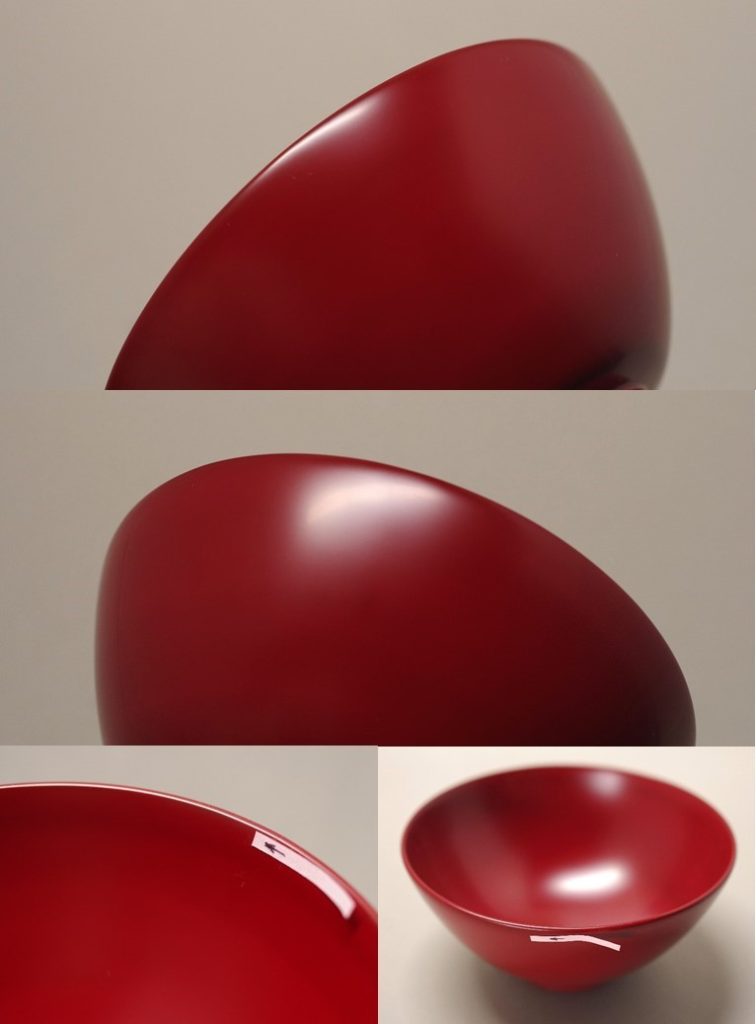
Just a year has past from the Kumamoto earthquake. Luckily my father & mother have somewhat recovered from the disaster and slowly gaining back to their normal life. The o-wan is in back in their shelf again.
Like the Wajima lacquerware there are things that you can repair and recover, and I’m totally proud of them. However there are also many thing that just can not be recovered. People who lost loved ones or the land itself or such as a house of heritage and so on. They are still suffering to gain back their life.
We can only wish the very best to them.
Gambare Kumamoto (がんばれ、熊本)!!